
Long vs. Short Wheelbase 4WDs: How Wheelbase Shapes Capability
When choosing a 4WD project, wheelbase is one of the most overlooked factors — yet it has a huge impact on how a vehicle drives, climbs, turns, and travels long distances. Two rigs can share the same axles, tires, and drivetrain, yet feel completely different on the trail simply because of wheelbase.
Understanding the strengths and compromises of long and short wheelbase platforms will help you choose a build that matches how and where you actually use your rig.
What Is Wheelbase — and Why It Matters
Wheelbase is the distance between the front and rear axle centers. That single measurement influences:
-
Breakover angle (ability to clear obstacles without high-centering)
-
Climbing stability
-
Turning radius
-
Highway comfort
-
Weight distribution & load capacity
-
Ride quality on rough terrain
Shorter doesn’t automatically mean better off-road — and longer doesn’t mean less capable. Each excels in different environments.
Short Wheelbase (SWB): Agile and Technical
Typical wheelbase: ~80–100 inches
Examples: early Jeeps, compact trail rigs, purpose-built crawlers

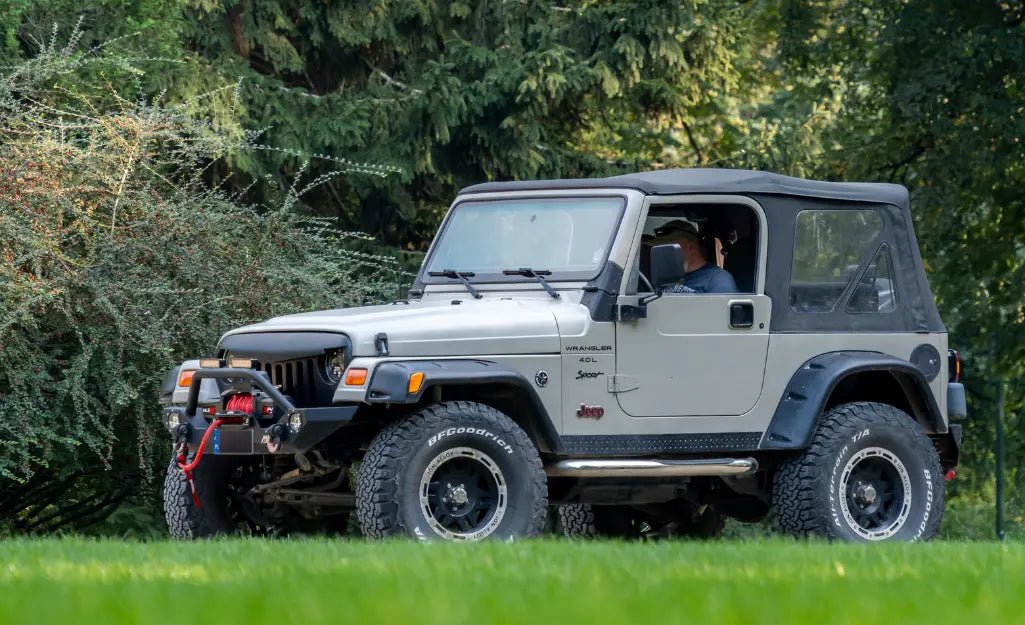


Strengths
Superior maneuverability
Short wheelbase vehicles pivot easily through tight trees, switchbacks, and technical rock gardens.
Better breakover angle
Less distance between axles reduces the chance of high-centering on ledges or sharp ridges.
Lighter weight & simplicity
Smaller frames are easier to recover, easier to trailer, and often simpler to modify.
Ideal for technical terrain
Rock crawling and dense forest trails favor compact rigs.
Trade-Offs
Reduced climbing stability
Steep ascents and descents can feel tippy due to weight distribution.
Shorter cargo area
Limited room for gear, tools, or camping equipment.
Choppier ride
Short wheelbase rigs can feel bouncy on washboard roads and uneven terrain.
Highway comfort
Less stable at speed, especially with lifts and large tires.
Long Wheelbase (LWB): Stability and Travel Comfort
Typical wheelbase: ~105–140+ inches
Examples: full-size trucks, long-wheelbase SUVs, overland builds


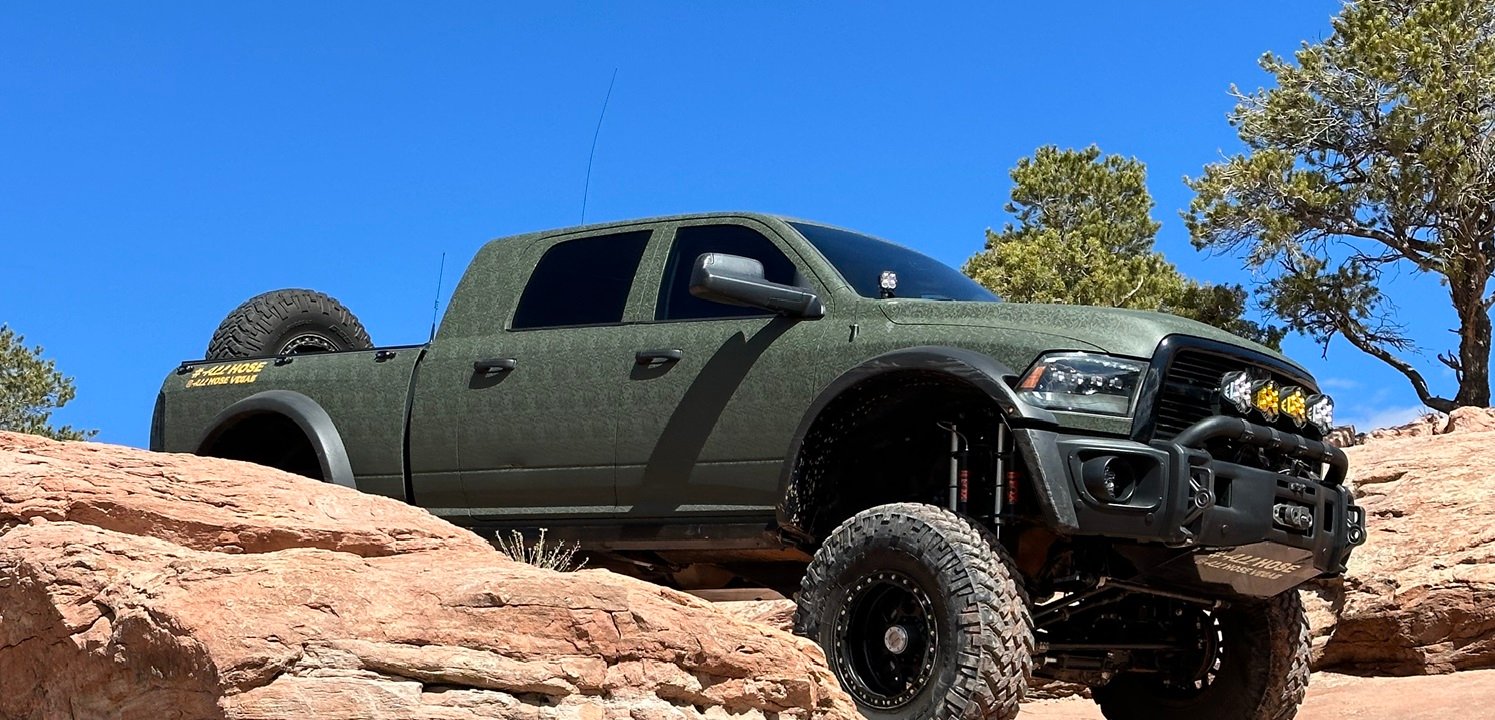

Strengths
Climbing and descending stability
A longer footprint distributes weight more evenly, improving confidence on steep grades.
Improved ride quality
Longer suspension spacing smooths out bumps and washboard roads.
Better load capacity
More cargo space and improved weight distribution for tools, recovery gear, and camping equipment.
Highway comfort & tracking
More stable at speed and in crosswinds.
Ideal for overlanding & long-distance travel
Comfort and storage make extended trips easier.
Trade-Offs
Reduced breakover angle
Longer distance between axles increases the chance of high-centering.
Larger turning radius
More difficult to navigate tight switchbacks and dense trails.
Heavier & more complex
Recovery and maneuvering in tight spaces can be more challenging.
Terrain Matters: Where Each Wheelbase Excels
Tight forest trails & rock gardens → Short wheelbase
Steep climbs & ledges → Depends on driver skill; SWB agile, LWB stable
Desert travel & washboard roads → Long wheelbase
Overlanding & camping → Long wheelbase
Urban + trail mix → Mid-wheelbase compromise
Technical crawling parks → Short wheelbase
The Middle Ground: Why Mid-Wheelbase Builds Are Popular
Many builders aim for a middle range (~100–113 inches) because it balances maneuverability and stability.
Benefits include:
-
improved climbing stability vs SWB
-
tighter turning vs LWB
-
reduced high-centering risk
-
versatile performance across terrain types
Stretching or shortening wheelbase is common in custom builds, but starting with a platform close to your goal saves time and fabrication.
Choosing the Right Wheelbase for Your Project
Choose Short Wheelbase if you: 80-100wb
-
run tight, technical trails
-
enjoy rock crawling
-
prefer a lightweight, nimble rig
-
trailer your vehicle to the trail
Choose Long Wheelbase if you: 113+wb
-
travel long distances off-road
-
camp or overland frequently
-
carry significant gear or tools
-
want better highway comfort
Choose Mid-Wheelbase if you: 100-113wb
-
want versatility across terrain
-
mix technical trails with travel
-
seek a balanced daily driver + trail rig
Final Thoughts
Wheelbase isn’t about which is better — it’s about which is better for you. The most capable rig is the one designed around your terrain, travel style, and comfort needs.
A short wheelbase rig may dance through rocks with precision.
A long wheelbase rig may carry you comfortably across hundreds of remote miles.
Choose the footprint that fits your adventures, and you’ll build a 4WD that feels right everywhere from the highway to the trailhead.